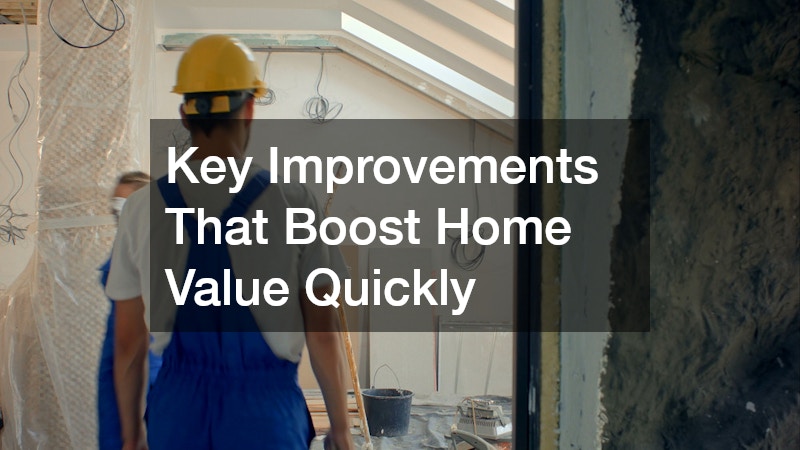
Increasing a home’s market value doesn’t always require a full-scale renovation or years of planning. In many cases, targeted improvements to essential systems and high-visibility features can significantly raise a property’s appeal in a relatively short amount of time. Buyers today are not just looking at aesthetics—they are also paying close attention to efficiency, maintenance history, and the condition of critical systems that affect long-term comfort and cost of ownership.
Homes that feel move-in ready tend to sell faster and often receive stronger offers. This is because buyers are willing to pay more when they feel confident they won’t face immediate repair expenses after closing. Improvements that enhance comfort, reduce energy consumption, and eliminate hidden issues tend to deliver the highest return.
The following sections break down practical, high-impact upgrades that homeowners can prioritize to improve both value and marketability.
Improving Core Cooling and Comfort Systems

One of the fastest ways to increase perceived home value is by ensuring the cooling system is reliable, efficient, and well-maintained. Buyers often view HVAC performance as a major deciding factor, especially in regions with seasonal temperature extremes. A properly functioning system signals that the home has been cared for and reduces concerns about future expenses.
Working with a professional HVAC company can help identify inefficiencies that are not immediately visible to homeowners. Routine inspections, airflow balancing, and system cleaning can all contribute to improved performance. In many cases, simple servicing can make an older system feel significantly more effective. Technicians can also spot early warning signs of wear, such as weak airflow or inconsistent cycling, which helps prevent costly breakdowns later. Regular maintenance schedules also extend equipment lifespan, which is a strong selling point during home evaluations.
In addition, professional air conditioning services play a key role in ensuring that cooling systems are optimized for performance and energy efficiency. Even small upgrades, such as replacing clogged filters or recalibrating thermostats, can improve comfort levels throughout the home. Seasonal tune-ups can also improve energy consumption, which is increasingly important to buyers who are conscious of long-term utility costs.
Key improvements that add value in this area include:
- Cleaning and optimizing airflow through vents and ducts
- Inspecting refrigerant levels and system pressure
- Replacing worn components that reduce efficiency
- Ensuring even cooling across all rooms
- Upgrading thermostats to programmable or smart models
Additional enhancements like sealing duct leaks or insulating exposed ductwork can further improve system efficiency and reduce energy waste. Homeowners may also consider upgrading older units that struggle to maintain consistent temperatures, as newer systems often operate more quietly and efficiently.
When buyers experience consistent cooling throughout the home during a showing, it creates an immediate sense of comfort and reliability that directly impacts perceived value. A well-maintained cooling system not only improves daily livability but also strengthens buyer confidence in the overall condition of the property, making it a standout feature in competitive real estate markets.
Addressing Cooling System Performance Issues
Cooling system problems are one of the most common issues flagged during home inspections, and they can quickly reduce a home’s market appeal if left unresolved. Even minor inefficiencies can signal neglect, which may lead buyers to assume there are larger hidden issues within the property. In competitive markets, something as simple as weak airflow or inconsistent temperature control can influence how quickly a home sells and whether buyers feel confident making a strong offer.
Timely AC repair is essential for maintaining system reliability. Addressing small issues early prevents them from escalating into expensive breakdowns that could delay a sale or reduce asking price. Common warning signs include inconsistent airflow, unusual noises, or rising energy bills. Homeowners often overlook gradual performance decline, but buyers and inspectors tend to notice these issues immediately, making early intervention critical.
More comprehensive HVAC repairs may be necessary for older systems or units that have not been properly maintained. These repairs ensure that all components—compressors, coils, and fans—are working together efficiently. In some cases, replacing a single failing part can restore near-new performance, while in others, a full system tune-up may be required to stabilize long-term operation. Proper diagnostics help prevent recurring issues that could otherwise raise concerns during inspection reports.
Homeowners should focus on:
- Fixing uneven cooling between rooms
- Repairing refrigerant leaks or low pressure issues
- Resolving thermostat malfunctions
- Cleaning or replacing clogged condenser coils
- Inspecting ductwork for leaks or obstructions
- Checking fan motors and electrical connections for wear
In addition, improving insulation around ductwork and ensuring proper system calibration can significantly enhance overall efficiency. Even small adjustments to airflow settings can create a more balanced and comfortable indoor environment, which buyers often interpret as a sign of a well-maintained property.
A well-maintained cooling system not only improves comfort but also reassures buyers that the home has been responsibly cared for, which can lead to stronger offers and faster negotiations. When HVAC performance is consistent and quiet, it reduces buyer hesitation and strengthens the overall impression of quality and long-term reliability.
Upgrading Climate Control Efficiency for Modern Buyers
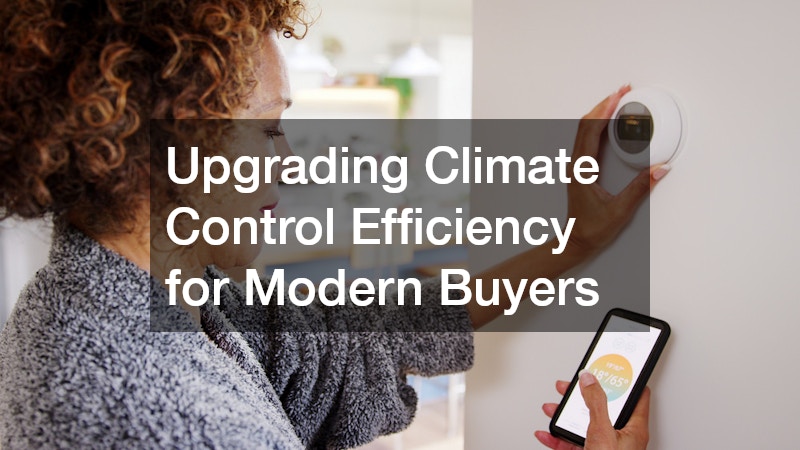
Modern homebuyers are increasingly focused on energy efficiency, sustainability, and flexible comfort solutions that adapt to their daily living patterns. As utility costs continue to rise, systems that reduce energy waste while maintaining consistent indoor comfort are becoming a major selling point in residential real estate. Homes that already include upgraded climate control systems often stand out immediately during showings because they signal lower long-term operating costs and fewer future maintenance concerns.
One of the most attractive upgrades in this category is ductless heat pump installation, which offers both heating and cooling without the need for extensive ductwork. These systems are especially valuable in older homes where installing traditional ductwork would be expensive or structurally challenging. They also provide precise control over individual rooms or zones, allowing homeowners to customize comfort based on usage patterns rather than conditioning the entire home uniformly.
These systems allow for zoned temperature control, meaning different areas of the home can be heated or cooled independently. This improves comfort while also reducing unnecessary energy usage. For example, bedrooms can be cooled at night while unused living areas remain at a more energy-efficient setting. This flexibility is especially appealing to modern buyers who prioritize both comfort and cost efficiency.
Benefits of upgrading to this type of system include:
- Lower monthly energy costs
- Improved temperature control in individual rooms
- Reduced energy loss from duct systems
- Quieter operation compared to traditional systems
- Enhanced appeal for energy-conscious buyers
- Reduced maintenance requirements compared to older HVAC setups
In addition, these systems often integrate well with smart home technology, allowing users to control temperatures remotely or set automated schedules. This added convenience further increases their appeal in the eyes of tech-savvy buyers.
From a resale perspective, homes with modern, efficient climate control systems stand out in competitive markets. Buyers are often willing to pay a premium for homes that already include upgraded HVAC technology, as it eliminates the need for immediate future investment. In many cases, this upgrade can shorten time on market and strengthen negotiation positions, especially when compared to similar homes relying on outdated central systems.
Strategic Renovations That Improve Layout and Appeal
Beyond mechanical systems, structural and visual improvements also play a major role in increasing home value. Well-planned renovations can transform outdated spaces into modern, functional layouts that appeal to a wider range of buyers. In many cases, buyers make emotional decisions within the first few minutes of a showing, and layout flow, natural light, and visual cohesion strongly influence that reaction.
Experienced home builders can help identify structural opportunities that improve flow, usability, and long-term durability. These improvements often include expanding living areas, adding new rooms, or improving architectural design consistency throughout the property. In older homes, even small structural adjustments—such as removing non-load-bearing walls or reconfiguring entryways—can dramatically change how spacious and modern the home feels.
For more cosmetic or layout-focused updates, home remodelers can modernize kitchens, bathrooms, and living spaces without requiring full reconstruction. These upgrades often deliver some of the highest returns on investment when done correctly. Updating finishes, cabinetry, and fixtures can make a dated home feel newly built, which significantly improves buyer perception and reduces negotiation pressure.
High-impact renovation strategies include:
- Opening up closed-off floor plans for better flow
- Updating kitchens with modern finishes and layouts
- Expanding storage space and built-in functionality
- Improving natural lighting through window adjustments
- Refreshing outdated flooring and wall materials
- Creating consistent design themes across rooms
Additional value can be gained by aligning finishes throughout the home so that materials, colors, and styles feel intentional rather than pieced together over time. Even small upgrades like matching hardware finishes or modernizing trim styles can elevate the overall impression of quality.
Buyers are often drawn to homes that feel updated and cohesive, even if the changes are relatively simple. A well-executed renovation can make a home feel newer and more valuable without requiring a complete rebuild. When structural improvements are combined with thoughtful design choices, the result is a home that not only functions better but also leaves a lasting impression that supports stronger offers and faster sales.
Enhancing Electrical Safety and Modern Functionality

Improving Water Systems and Preventing Costly Damage

Plumbing issues can be some of the most expensive problems to deal with, especially if they are discovered after a home is purchased. As a result, ensuring that plumbing systems are in excellent condition can significantly improve a home’s marketability.
Professional plumbing service helps identify leaks, corrosion, and inefficiencies that may not be visible on the surface. Addressing these issues before listing a home reduces the risk of inspection-related delays or price reductions.
Equally important is drain cleaning, which prevents blockages that can lead to backups, water damage, or unpleasant odors. Clean and efficient drainage systems are a strong indicator of proper home maintenance.
Key improvements in this area include:
- Repairing hidden leaks in pipes and fixtures
- Upgrading outdated plumbing materials
- Improving water pressure consistency
- Clearing drains to prevent blockages
- Replacing worn or inefficient fixtures
A home with a reliable plumbing system reassures buyers that they will not face unexpected water-related issues after purchase, which increases confidence and willingness to pay a higher price.
Increasing home value quickly is most effective when improvements focus on essential systems and buyer priorities rather than cosmetic changes alone. When a home feels efficient, safe, and well-maintained, it naturally stands out in the market and attracts stronger offers.
By addressing critical areas such as cooling performance, structural layout, electrical safety, and plumbing reliability, homeowners can significantly enhance both functionality and appeal. These improvements not only improve day-to-day living but also create a strong impression during showings and inspections.
A thoughtful approach to upgrades ensures that every improvement contributes meaningfully to long-term value, making the home more competitive and desirable in any market.