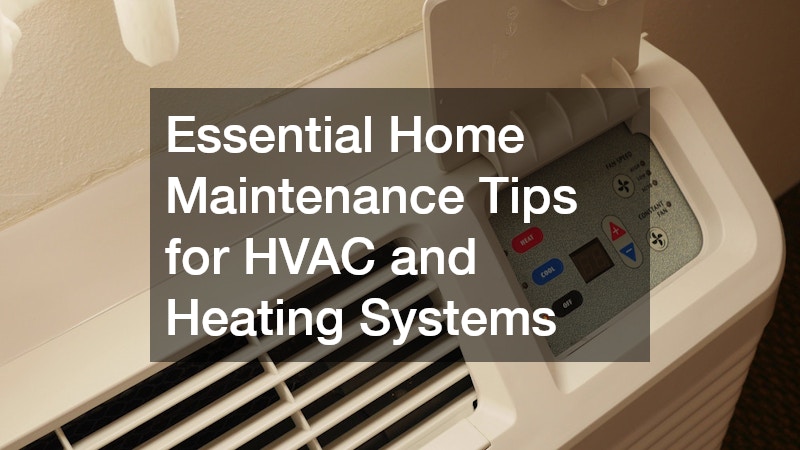
Why Consistent HVAC and Heating Maintenance Matters
A well-maintained home comfort system does more than just keep your space warm in the winter and cool in the summer—it protects your investment, improves indoor air quality, and keeps your energy bills under control. Many homeowners don’t think about their heating and cooling systems until something goes wrong, but by then, small issues have often turned into expensive repairs.
Routine maintenance is the key to avoiding breakdowns, extending the life of your equipment, and ensuring your home remains comfortable year-round. Whether you’re dealing with an aging furnace, a struggling air conditioner, or an inefficient hot water system, staying proactive can save you time, stress, and money.
In this guide, you’ll find practical, easy-to-follow maintenance tips that help you stay ahead of problems and keep everything running efficiently.
Create a Seasonal HVAC Maintenance Checklist
Keeping your home systems in top shape starts with organization, and one of the most effective ways to stay on track is by creating a seasonal maintenance checklist. Breaking tasks down by season makes them easier to manage and ensures your system is always prepared for changing weather conditions.
During the spring and summer months, your focus should be on cooling efficiency. This is the best time to schedule ac maintenance services before temperatures climb. A professional will typically inspect refrigerant levels, clean condenser coils, check electrical components, and ensure the system is operating at peak performance. Addressing these items early helps prevent inconvenient breakdowns when you need cooling the most.
As the weather cools, attention should shift to heating readiness. Scheduling a Heating service appointment in the fall allows technicians to inspect burners, test safety controls, and confirm that airflow is consistent throughout your home. This preparation reduces the risk of system failure during the coldest months.
In addition to professional services, homeowners should include simple DIY checks such as testing the thermostat, replacing batteries, and visually inspecting vents and outdoor units. A structured checklist not only improves system reliability but also creates a routine that makes maintenance feel manageable instead of overwhelming.
Replace Air Filters Regularly for Better Performance
Air filters play a critical role in maintaining both system efficiency and indoor air quality, yet they are often overlooked. Over time, filters collect dust, pet dander, and airborne particles, which can restrict airflow and force your system to work harder than necessary. This added strain can increase energy usage and shorten the lifespan of your equipment.
For most households, replacing air filters every one to three months is a good rule of thumb. However, homes with pets, allergies, or higher levels of dust may require more frequent changes. Choosing the right filter is equally important. While high-efficiency filters can trap smaller particles, they must be compatible with your system to avoid restricting airflow.
If you’re unsure which option is best, consulting an HVAC company can help you find a filter that balances performance and efficiency. Professionals can also identify underlying airflow issues that may be affecting your system.
Consistent filter replacement not only improves airflow but also helps maintain even temperatures throughout your home. It reduces wear on system components and contributes to better air quality, making it a simple yet powerful step in your overall maintenance routine.
Know the Early Warning Signs of System Issues
Understanding the early warning signs of system trouble can help you address small issues before they turn into major repairs. Many problems develop gradually, giving homeowners subtle clues that something isn’t working as it should.
Unusual noises are often one of the first indicators. Banging, rattling, or squealing sounds can signal loose parts, worn belts, or motor issues. Uneven temperatures throughout your home may point to airflow restrictions or failing components. Another common red flag is a sudden increase in energy bills, which often means your system is working harder than necessary to maintain comfort.
Ignoring these signs can lead to more extensive and costly furnace repair down the line. For example, a minor component issue may escalate into a complete system failure if left unresolved. Acting quickly allows you to fix problems while they are still manageable and less expensive.
Homeowners should also pay attention to how frequently their system cycles on and off. Short cycling can indicate thermostat problems or internal malfunctions. If something feels off, it’s always better to investigate sooner rather than later. Staying alert to these warning signs helps you maintain a reliable and efficient system.
Keep Your Outdoor and Indoor Units Clean
Clean components are essential for maintaining an efficient and reliable system. Over time, dirt, debris, and dust can accumulate on both outdoor and indoor units, reducing performance and increasing the risk of breakdowns.
Outdoor units are particularly vulnerable to environmental buildup. Leaves, grass clippings, and dirt can block airflow and cause the system to overheat. Homeowners should regularly clear debris from around the unit and maintain at least two feet of open space. Gently rinsing the unit with a hose can help remove dirt, but care should be taken to avoid damaging sensitive components.
Indoor units also require attention. Dust and debris can collect on coils and blower parts, restricting airflow and reducing efficiency. While basic cleaning can be handled by homeowners, more thorough maintenance should be performed by an HVAC contractor to ensure all components are properly cleaned and functioning as intended.
Keeping your system clean not only improves efficiency but also helps prevent unnecessary wear and tear. Regular maintenance reduces the likelihood of overheating and extends the life of your equipment, making it an important part of any home care routine.
Schedule Annual Professional Inspections
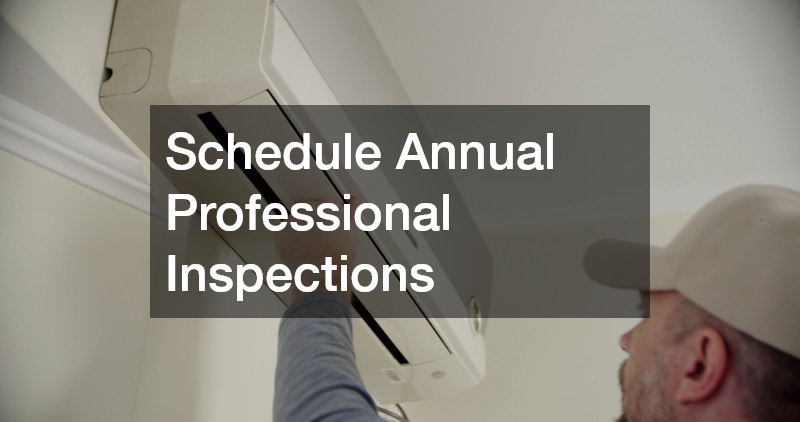
Annual inspections are one of the most effective ways to ensure your system continues to operate safely and efficiently. Even if everything seems to be working properly, hidden issues can develop over time and go unnoticed without a professional evaluation.
During a routine inspection, a qualified Heating company will assess all major components, including electrical connections, heat exchangers, and safety controls. They will also check for signs of wear, clean critical parts, and make adjustments that improve overall performance. These preventative measures can significantly reduce the likelihood of unexpected breakdowns.
Regular inspections also provide an opportunity to catch minor issues early. Addressing small problems before they escalate can save homeowners from costly repairs and inconvenient system failures. Additionally, maintaining a documented service history can be beneficial for warranty purposes and future home resale.
Choosing a reputable provider is essential. Look for professionals with proper certifications, strong customer reviews, and transparent pricing. Establishing a relationship with a trusted service provider ensures you always have access to expert support when needed.
Maintain and Flush Your Water Heater Regularly
Your hot water system is an essential part of daily life, yet it often receives little attention until problems arise. Regular maintenance, including flushing the tank, helps keep it running efficiently and extends its lifespan.
Over time, sediment builds up inside the tank, especially in areas with hard water. This buildup can reduce heating efficiency, cause strange noises, and even lead to corrosion. Flushing the water heater at least once a year removes this sediment and helps maintain optimal performance.
The process involves draining the tank and refilling it to clear out accumulated debris. While some homeowners choose to handle this themselves, it’s important to follow safety guidelines carefully. If you’re unsure, professional assistance is always a safe option.
In addition to flushing, homeowners should monitor for signs of trouble, such as inconsistent water temperature, reduced hot water supply, or unusual sounds. Addressing these issues early can prevent more serious damage and costly repairs.
Taking the time to maintain your water heater ensures reliable performance and helps you avoid unexpected disruptions to your daily routine.
Plan Ahead for System Upgrades and Replacements
Planning for system upgrades before they become urgent is a smart approach to home maintenance. Most heating systems have a lifespan of 15 to 20 years, and as they age, they become less efficient and more prone to breakdowns.
Rather than waiting for a complete failure, homeowners should begin evaluating their options as systems approach the end of their lifespan. Budgeting for local furnace replacements in advance allows you to make informed decisions without the pressure of an emergency situation.
Modern systems offer improved energy efficiency, which can lead to significant savings on utility bills over time. When considering an upgrade, it’s important to weigh factors such as upfront costs, long-term savings, and compatibility with your home’s existing setup.
Planning ahead also gives you the opportunity to research different models, compare features, and choose the best solution for your needs. By taking a proactive approach, you can ensure a smooth transition and maintain comfort without unexpected disruptions.
Work with Qualified Professionals for Installations
Proper installation is critical to the performance and longevity of your system. Even high-quality equipment can underperform or fail prematurely if it is not installed correctly.
Hiring a certified furnace installer ensures that your system is set up according to manufacturer specifications and local building codes. This not only improves efficiency but also helps protect your warranty. Professionals have the training and experience needed to handle complex installations safely and effectively.
The same attention to detail applies to water heater installation. Improper installation can lead to leaks, reduced efficiency, and potential safety hazards. Working with experienced technicians minimizes these risks and ensures your system operates as intended from day one.
Before hiring a professional, take the time to verify credentials, read reviews, and ask for references. A reputable installer will be transparent about their process and willing to answer your questions. Investing in qualified professionals provides peace of mind and sets the foundation for reliable, long-term performance.
Optimize Your Thermostat and Energy Usage
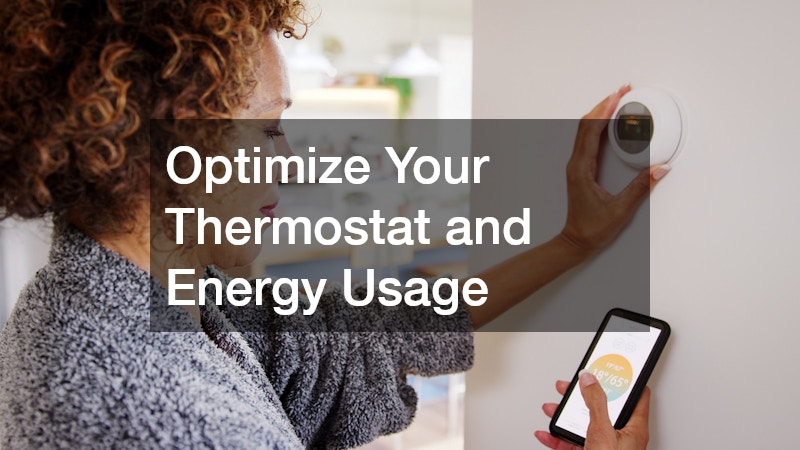
Your thermostat is one of the most powerful tools for controlling energy usage and maintaining comfort in your home. Small adjustments can make a significant difference in both efficiency and cost savings.
Setting your thermostat a few degrees lower in the winter and higher in the summer can reduce energy consumption without sacrificing comfort. Programmable and smart thermostats take this a step further by automatically adjusting temperatures based on your schedule.
An experienced HVAC contractor can help you fine-tune your system and recommend upgrades that improve efficiency. They can also identify areas where your system may be overworking due to insulation issues or airflow restrictions.
In addition to temperature settings, homeowners should focus on reducing unnecessary energy use. This includes sealing drafts, improving insulation, and using ceiling fans to circulate air more effectively.
By optimizing your thermostat and overall energy usage, you can lower your utility bills while maintaining a comfortable living environment year-round.
Keep Vents, Ducts, and Airflow Paths Clear
Maintaining proper airflow is essential for system efficiency and consistent indoor comfort. Blocked vents or dirty ducts can restrict airflow, forcing your system to work harder and reducing its overall effectiveness.
Homeowners should regularly check that vents are open and unobstructed by furniture, rugs, or curtains. Even partial blockages can impact performance and lead to uneven temperatures throughout the home. Cleaning vent covers and removing dust buildup is a simple task that can improve airflow.
Over time, ducts can accumulate dust, allergens, and other debris. Scheduling periodic cleaning with an HVAC company helps maintain good air quality and ensures your system operates efficiently. In some cases, duct leaks or obstructions may require professional attention.
If you notice weak airflow, inconsistent temperatures, or excessive dust in your home, it may be time to inspect your ductwork. Addressing these issues promptly helps maintain comfort and prevents unnecessary strain on your system.
Stay Ahead of Repairs and Maximize System Lifespan
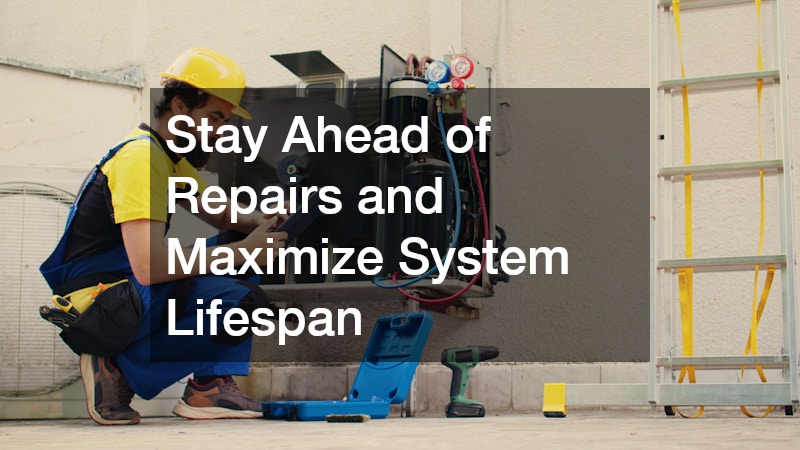
Maintaining your home’s heating and cooling systems doesn’t have to be complicated. By staying proactive and following a consistent routine, you can prevent costly breakdowns, improve efficiency, and extend the life of your equipment.
Simple steps like replacing filters, scheduling inspections, and keeping components clean go a long way in ensuring reliable performance. When combined with professional support and timely upgrades, these efforts create a system that works efficiently year after year.
Investing time in maintenance today helps you avoid stress and expenses in the future, giving you peace of mind and a more comfortable home environment.