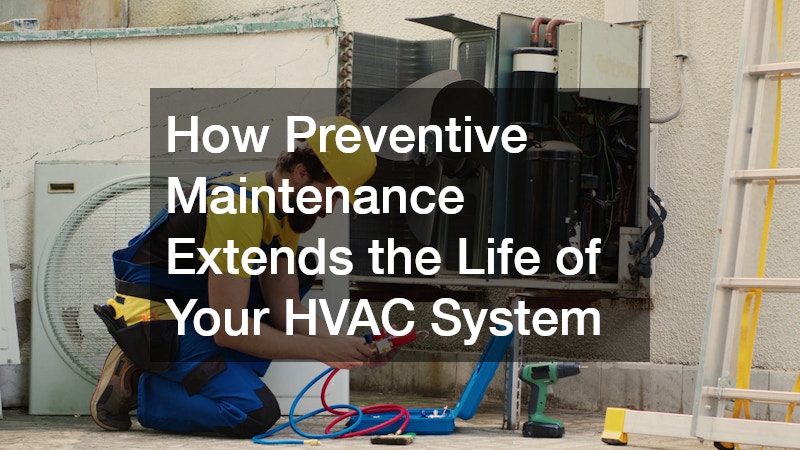
Your home’s heating and cooling system works harder than almost any other appliance you own. It keeps your family comfortable through sweltering summers, freezing winters, and everything in between. Because it operates throughout much of the year, it’s easy to overlook the amount of wear and tear it experiences. Unfortunately, waiting until something breaks often leads to costly repairs, reduced efficiency, and even premature replacement.
Preventive maintenance is one of the most effective ways to protect this important investment. Rather than reacting to unexpected breakdowns, homeowners who schedule regular inspections and perform simple maintenance tasks can enjoy lower utility bills, fewer emergency repairs, and a system that continues operating efficiently for many years.
Whether your equipment is relatively new or approaching the end of its expected lifespan, developing a maintenance routine can make a significant difference. By understanding what needs attention throughout the year and knowing when to call a professional, you’ll help your system deliver reliable comfort while avoiding many common issues before they become expensive problems.
Schedule Professional Inspections Before Every Peak Season
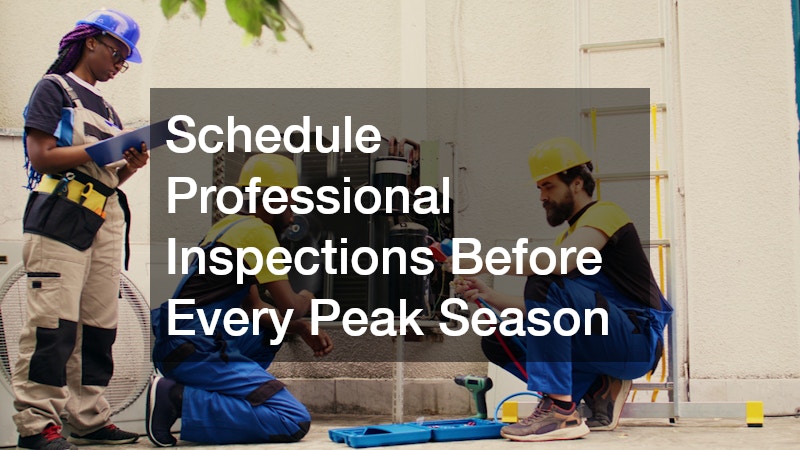
Routine inspections are the foundation of a long-lasting heating and cooling system. Scheduling service before summer and winter allows technicians to identify worn components, clean critical parts, and make small adjustments before your equipment is placed under its heaviest workload.
Choosing an experienced HVAC company gives you access to technicians who understand how every component works together. During a maintenance visit, they’ll inspect electrical connections, refrigerant levels, blower motors, condensate drains, safety controls, and thermostat operation. They also look for signs of corrosion, loose hardware, and developing mechanical issues that could eventually lead to a system failure.
Many homeowners underestimate the value of regular ac maintenance because their equipment appears to be operating normally. However, problems such as worn belts, dirty coils, or failing capacitors often develop gradually. Addressing these issues early is usually far less expensive than waiting until they cause a complete breakdown during the hottest week of the year.
Seasonal tune-ups also improve energy efficiency. Clean components require less effort to operate, allowing your system to reach the desired temperature faster while consuming less electricity. Reduced strain on motors and compressors helps these expensive components last longer, extending the overall life of your equipment.
Keeping a consistent maintenance schedule also creates a service history. This documentation can be helpful for warranty claims, future repairs, or even when selling your home, as buyers often appreciate evidence that major systems have been properly maintained.
Replace Air Filters Before Airflow Becomes a Problem
One of the easiest maintenance tasks homeowners can perform is replacing the air filter on a regular basis. Although it’s a simple job, it has a significant impact on both system performance and the health of your indoor environment.
Dirty filters restrict airflow, forcing the blower motor to work harder to move air throughout your home. As airflow decreases, your system must operate longer to maintain comfortable temperatures. This additional workload increases wear on moving parts and raises monthly energy costs.
Regular filter replacement also supports better indoor air quality. Filters capture dust, pollen, pet dander, mold spores, and other airborne particles before they circulate throughout your home. When filters become clogged, they lose effectiveness and may even allow contaminants to bypass the filtration system.
The ideal replacement schedule depends on several factors. Homes with pets, smokers, allergy sufferers, or higher occupancy often require more frequent filter changes than households with fewer occupants. Checking your filter every month allows you to replace it before it becomes heavily clogged.
Choosing the proper filter is equally important. Extremely dense filters can restrict airflow if your system isn’t designed for them. Follow the manufacturer’s recommendations or consult a professional if you’re unsure which filter provides the best balance between filtration and airflow.
Making filter inspections part of your monthly routine is one of the simplest ways to improve efficiency, reduce equipment stress, and maintain healthier air throughout your home.
Keep Outdoor Equipment Free From Dirt and Debris
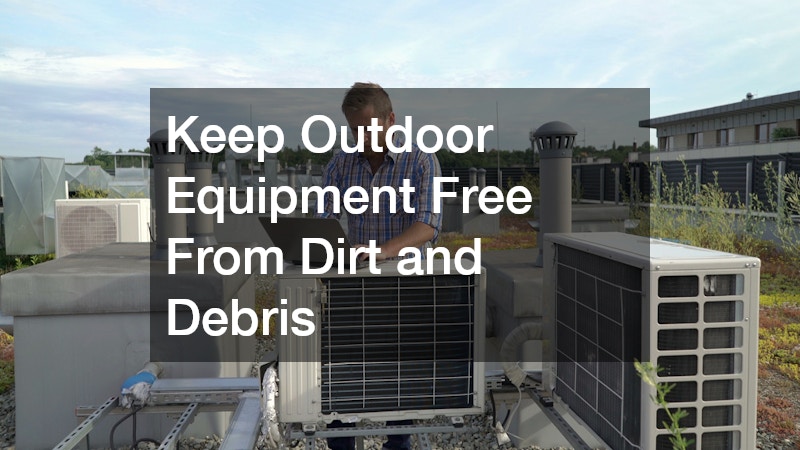
Your outdoor condenser unit is constantly exposed to weather, leaves, grass clippings, dirt, and other debris. Even though it’s built for outdoor use, neglecting basic cleaning can significantly reduce its efficiency.
The condenser releases heat collected from inside your home. When dirt accumulates on the coils or vegetation blocks airflow around the unit, heat transfer becomes less effective. As a result, the compressor must work longer to cool your home, increasing operating costs and placing unnecessary stress on one of the most expensive components in the system.
Maintaining at least two feet of clearance around the outdoor unit allows air to circulate properly. Trim shrubs regularly, remove weeds, clear away fallen leaves, and avoid stacking equipment or storage items nearby.
Homeowners can also gently rinse surface debris from the condenser using a garden hose. Avoid high-pressure washers, which can damage delicate aluminum fins. Bent fins should be straightened carefully using specialized tools or handled by a professional technician.
Scheduling periodic air conditioning service allows technicians to perform a deeper cleaning than most homeowners can safely accomplish themselves. During these visits, professionals clean coils, inspect refrigerant pressures, verify electrical performance, and ensure the condenser operates at peak efficiency.
Simple outdoor maintenance often prevents overheating, reduces compressor wear, and helps your system perform reliably throughout the cooling season.
Address Small Performance Changes Before They Grow Worse
Most major HVAC failures don’t happen without warning. Instead, systems typically display subtle signs that something isn’t working correctly. Recognizing these symptoms early allows homeowners to resolve minor issues before they require expensive repairs.
If certain rooms become warmer or cooler than others, your equipment may already be struggling. Weak airflow, unusual cycling patterns, excessive humidity, or inconsistent temperatures often indicate developing mechanical or airflow problems.
Strange noises deserve attention as well. Grinding, squealing, rattling, or buzzing sounds may signal worn bearings, loose components, failing motors, or electrical issues. Ignoring these warning signs allows additional damage to occur as the system continues operating.
Many homeowners delay calling for professional ac services because the equipment still functions. However, continuing to operate a malfunctioning system often increases repair costs. A small refrigerant leak, for example, can eventually damage the compressor if left unresolved.
An experienced HVAC contractor can diagnose these problems before they escalate. Professional inspections include testing system performance, measuring airflow, evaluating refrigerant levels, and identifying worn components that should be replaced before they fail completely.
Another warning sign is an unexpected increase in monthly utility bills. When equipment loses efficiency, it must run longer to produce the same comfort level. Comparing current energy usage with previous seasons can help identify hidden performance issues that deserve professional evaluation.
Responding quickly to these early indicators helps preserve equipment, reduce repair expenses, and minimize the risk of inconvenient breakdowns during extreme weather.
Prepare Your Heating Equipment Long Before Winter Arrives
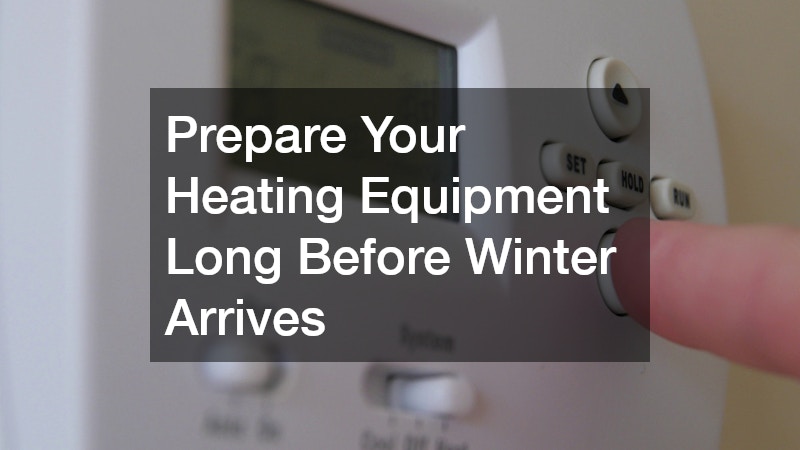
Many homeowners wait until the first cold morning to discover whether their heating system is ready for another season. Unfortunately, this often leads to emergency repairs when service providers are busiest.
Scheduling annual furnace services before cold weather arrives gives technicians time to inspect burners, heat exchangers, ignition systems, blowers, safety controls, and ventilation components. Identifying problems early reduces the likelihood of unexpected failures when dependable heating becomes essential.
A well-maintained heating and cooling system operates more efficiently because each component functions as intended. Clean burners produce more consistent heat, properly lubricated motors experience less friction, and calibrated thermostats maintain accurate temperature control throughout your home.
Homeowners can also prepare their systems by checking supply and return vents for obstructions. Furniture, rugs, or curtains that block airflow force equipment to work harder while reducing comfort in occupied spaces.
Testing your thermostat before temperatures drop provides another opportunity to identify problems. If your system struggles to maintain the selected temperature or cycles excessively, scheduling service before winter demand increases can help avoid longer repair wait times.
Don’t forget to inspect carbon monoxide detectors as part of your seasonal preparation. Properly functioning detectors provide an additional layer of safety for homes with gas-burning equipment.
Combining professional inspections with basic homeowner maintenance creates the best opportunity for reliable winter performance while extending equipment life.
Improve Efficiency Through Everyday Home Habits
Preventive maintenance extends beyond professional service appointments. Everyday habits throughout the year also influence how hard your HVAC system must work to maintain indoor comfort.
Installing a programmable or smart thermostat helps reduce unnecessary runtime by automatically adjusting temperatures when family members are sleeping or away from home. Even modest temperature adjustments can produce noticeable energy savings over time.
Air leaks around windows, doors, attic access points, and ductwork also contribute to increased equipment wear. Sealing these leaks reduces conditioned air loss, allowing your system to reach desired temperatures more quickly.
Homeowners who rely on heating oil should monitor fuel consumption throughout the winter. Sudden increases in usage may indicate declining system efficiency or insulation problems rather than colder outdoor temperatures alone. Keeping storage tanks properly maintained and scheduling timely fuel deliveries also helps ensure uninterrupted heating during extended cold periods.
Maintaining reasonable thermostat settings further reduces unnecessary equipment strain. Constantly making large temperature adjustments forces systems to cycle more aggressively, increasing wear on compressors and blower motors.
Keeping interior vents open, using ceiling fans to improve air circulation, and maintaining proper humidity levels also contribute to more balanced comfort while reducing system workload.
Small lifestyle adjustments, when practiced consistently, complement professional maintenance and help maximize both efficiency and equipment longevity.
Give Electrical Components the Attention They Deserve
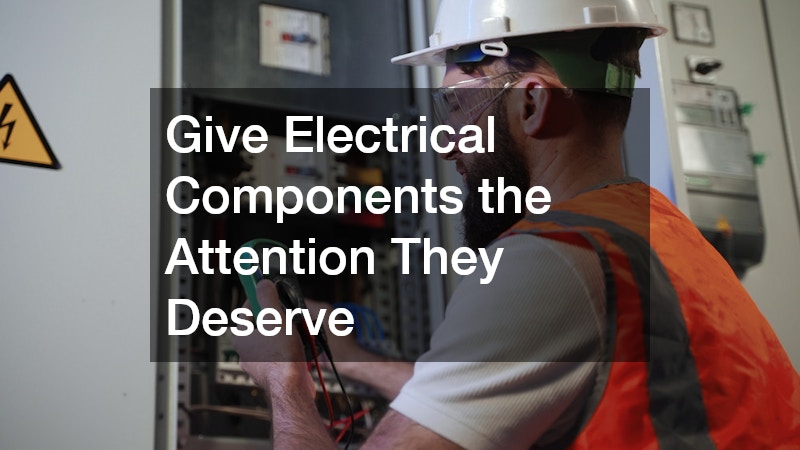
Modern HVAC systems rely on numerous electrical components working together safely and efficiently. While many maintenance tasks focus on filters or mechanical parts, electrical problems are equally capable of shortening system lifespan.
Loose wiring connections create resistance that generates excess heat. Over time, this heat can damage switches, relays, capacitors, contactors, and circuit boards. Electrical failures often develop gradually before causing sudden system shutdowns.
A qualified certified electrician can inspect electrical panels, breakers, wiring, grounding, and dedicated HVAC circuits to ensure they meet current safety standards. This is particularly valuable in older homes where electrical systems may have been modified multiple times over several decades.
Signs of electrical trouble include breakers that trip repeatedly, burning odors, flickering lights when the HVAC system starts, or equipment that frequently loses power. These symptoms should never be ignored because they may indicate potentially hazardous conditions.
Professional HVAC technicians and electricians sometimes work together when diagnosing complex issues involving motors, control boards, thermostats, or power supply problems. Their combined expertise helps ensure repairs address the root cause instead of only treating symptoms.
Avoid attempting electrical repairs without proper training. Even seemingly simple wiring mistakes can damage expensive equipment or create safety hazards for your household.
Routine electrical inspections provide another important layer of preventive maintenance, helping your entire HVAC system operate safely, efficiently, and reliably for years to come.
Create a Long-Term Maintenance Routine That Pays Off
The longest-lasting HVAC systems rarely achieve that lifespan by accident. They remain dependable because homeowners consistently perform simple maintenance, schedule professional inspections, and address small issues before they become major repairs.
Developing a maintenance calendar makes it easier to stay organized throughout the year. Monthly tasks can include checking air filters, inspecting vents, clearing debris around outdoor equipment, and monitoring thermostat performance. Seasonal reminders can help you schedule professional tune-ups before periods of heavy use.
Keeping records of inspections, repairs, filter replacements, and equipment upgrades provides valuable information for future service visits. Maintenance history allows technicians to identify recurring issues more quickly while helping homeowners understand how their system has performed over time.
Budgeting for preventive maintenance also reduces financial surprises. Routine service visits are typically far less expensive than emergency repairs or premature system replacement, making maintenance one of the most cost-effective investments homeowners can make.
Finally, don’t ignore changes in system performance simply because your home still feels comfortable. Small decreases in efficiency often signal developing issues that become much more expensive when left unresolved.
By combining homeowner maintenance with regular professional care, you can significantly extend your HVAC system’s lifespan, improve efficiency, lower operating costs, and enjoy dependable indoor comfort throughout every season.