
A comfortable, energy-efficient home depends on more than a single upgrade. Heating and cooling equipment, insulation, windows, electrical systems, and ventilation all influence how well a house maintains comfortable temperatures and uses energy. When one component underperforms, other systems may have to work harder to compensate, contributing to uneven temperatures, unnecessary energy consumption, and recurring maintenance concerns.
Planning home improvements allows homeowners to address these problems strategically instead of tackling them as isolated issues. Before committing to a major renovation, evaluate the home’s current condition, identify the problems affecting everyday comfort, and determine which projects should take priority. A thoughtful plan can also help coordinate contractors, establish realistic budgets, and reduce the likelihood of paying for the same preparation work twice.
The following sections explore practical ways to assess existing systems, plan upgrades, and improve the home’s overall performance while keeping comfort, cost, and long-term maintenance in mind.
Identify Cooling Problems Before They Increase Energy Costs

Cooling problems can make a home uncomfortable even when the air conditioning runs regularly. Weak airflow, uneven temperatures, excessive humidity, and unusual noises may indicate that a system needs attention.
Before arranging AC repair, record when problems occur and which rooms are affected. Start with these simple checks:
- Inspect filters: Replace dirty filters according to manufacturer recommendations.
- Check thermostat settings: Confirm the intended temperature and operating mode.
- Clear vents: Move furniture and curtains that obstruct airflow.
- Document symptoms: Note unusual sounds, temperature changes, and extended operating times.
If these checks do not resolve the problem, ask a qualified technician to inspect the system. Professional testing can help identify the cause and determine whether a repair or broader improvement is appropriate.
Addressing cooling issues before starting other renovations also helps establish whether the existing equipment can meet your household’s needs.
Choose the Right Professionals for Your Home’s Needs
Choosing qualified professionals helps homeowners avoid unnecessary expenses and incomplete repairs. When comparing local HVAC contractors, consider their experience, licensing where required, insurance, references, and familiarity with your equipment.
Request written estimates that explain the recommended work and its costs. Compare proposals based on the scope of work, equipment specifications, and project timelines rather than price alone.
Before hiring a contractor:
- Review the scope: Confirm which components will be repaired, replaced, or installed.
- Compare equipment: Check models, capacities, and efficiency ratings.
- Clarify costs: Ask about labor, materials, permits, and additional charges.
- Discuss scheduling: Determine whether other trades must complete work first.
Ask contractors to explain how their recommendations address your home’s specific problems. Before signing an agreement, review payment terms, responsibilities, and any written commitments. Clear expectations help keep the project organized and aligned with your budget.
Determine When an Aging Heating System Needs an Upgrade
An aging heating system may experience recurring breakdowns, uneven heating, or increasing maintenance needs. However, age alone does not necessarily justify replacement. Consider the equipment’s condition, repair history, performance, and operating costs.
Furnace replacements may be worth considering when repeated failures or declining performance make continued repairs impractical. A professional inspection can help determine whether replacing the equipment makes more sense than repairing it.
Evaluate these factors:
- Repair frequency: Review previous service visits and recurring problems.
- Heating consistency: Identify rooms that remain uncomfortable.
- Energy expenses: Compare bills while accounting for weather and household usage.
- Equipment condition: Ask a technician to assess major components.
- Future needs: Consider planned additions or changes in room usage.
If replacement is appropriate, compare efficiency ratings, equipment capacity, maintenance requirements, and compatibility with existing ductwork. Avoid automatically choosing a larger unit, since incorrect sizing can create performance problems.
Planning ahead gives you time to compare estimates and schedule installation before an unexpected breakdown forces a rushed decision.
Coordinate New Equipment With Existing Home Systems
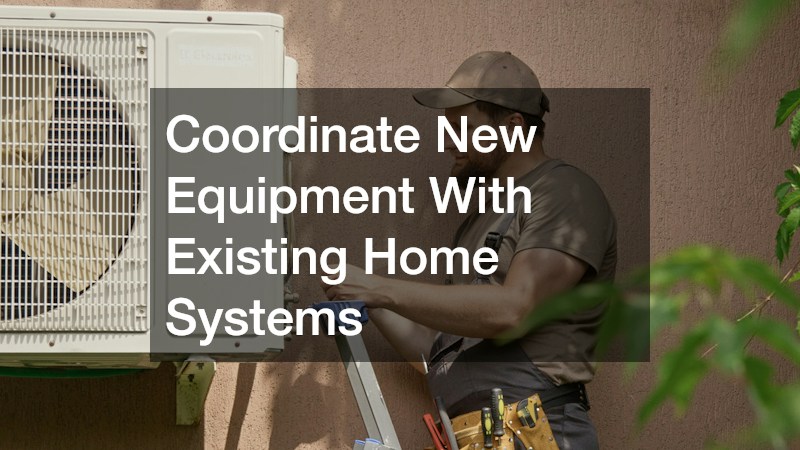
New equipment must work with your home’s electrical supply, ductwork, controls, and available installation space. Reviewing these requirements beforehand helps prevent delays and additional costs.
Before scheduling HVAC installations, request an assessment of the existing infrastructure. Equipment should be selected according to the property’s heating and cooling requirements rather than appearance or price alone.
Discuss these considerations with your contractor:
- Equipment sizing: Determine the capacity needed for the home.
- Ductwork: Identify leaks, obstructions, and airflow problems.
- Electrical requirements: Confirm that existing circuits are suitable.
- Equipment placement: Allow space for operation and maintenance.
- Ventilation and drainage: Review requirements for safe operation and condensate removal.
Coordinate related renovations whenever possible. For example, modifying ductwork before closing finished ceilings can prevent unnecessary demolition later. Insulation improvements may also affect the equipment capacity required.
After installation, request system testing and instructions for operation and maintenance. Keeping equipment documentation and inspection records helps you manage future repairs and understand the work completed.
Build a Maintenance Plan Around Seasonal Comfort Needs
Routine maintenance helps homeowners identify developing problems before they disrupt comfort. A consistent schedule also makes it easier to budget for inspections and necessary repairs.
Professional heating and AC services may include system testing, component inspections, and cleaning where appropriate. Requirements vary by equipment type, manufacturer recommendations, and household conditions.
Create a maintenance calendar that includes:
- Filter changes: Check filters regularly and replace them as recommended.
- Seasonal inspections: Schedule assessments before periods of heavy use.
- Outdoor unit checks: Keep accessible equipment clear of leaves and debris.
- Thermostat reviews: Adjust settings to match household schedules.
- Performance monitoring: Record changes in airflow, noise, and energy consumption.
- Service records: Save inspection reports, invoices, and repair recommendations.
Energy bills can help identify unusual changes, but higher costs do not automatically indicate equipment failure. Weather, occupancy, and thermostat settings can also affect consumption.
Schedule maintenance around renovation work when possible. After construction, ask whether equipment requires inspection because of dust or changes to ductwork.
A written maintenance plan helps distinguish routine upkeep from problems that require professional attention. It also gives homeowners a clearer picture of upcoming expenses.
Address Hidden Energy Losses in Utility and Mechanical Areas
Garages, workshops, and utility rooms can contain equipment that consumes energy or affects nearby living spaces. Reviewing these areas helps homeowners identify overlooked maintenance needs and opportunities to reduce waste.
For homes with pneumatic tools or specialized equipment, compressed air services may help address leaks and inefficient operation. Damaged hoses, loose fittings, and inappropriate pressure settings can waste energy and interfere with equipment performance.
Start with these practical checks:
- Inspect connections: Look for damaged hoses, loose fittings, and visible wear.
- Listen for leaks: Investigate unusual hissing sounds.
- Review operating settings: Follow manufacturer instructions and avoid unnecessarily high pressure.
- Check maintenance records: Identify recurring faults and frequently replaced components.
- Assess equipment use: Determine whether equipment remains running unnecessarily.
Have persistent leaks and pressurized equipment problems assessed by a qualified professional. Avoid repairs that require specialized knowledge or could expose you to pressure-related hazards.
Also inspect gaps around utility penetrations and walls adjoining garages or workshops. Unwanted air movement from these areas can affect indoor comfort.
Including mechanical spaces in your renovation plan helps prevent overlooked problems from undermining other improvements.
Resolve Heating Inconsistencies Before Replacing Equipment
Uneven heating does not always mean the entire system needs replacement. Circulation problems, controls, and individual components can affect how heat reaches different rooms.
For homes with boilers, boiler repair may be necessary when you notice unusual noises, visible leaks, inconsistent heating, or unexplained pressure changes. A qualified professional should determine the cause before recommending repairs.
Prepare for an inspection by documenting:
- Affected rooms: Identify where temperatures differ.
- Problem timing: Note when heating becomes inconsistent.
- Visible warnings: Record error messages or unusual readings.
- Previous repairs: Gather relevant service records.
- New symptoms: Describe changes in noise, moisture, or performance.
Do not open pressurized equipment or attempt repairs involving hot components. If you suspect a gas leak, leave the area and contact emergency services from a safe location.
Ask the technician whether the issue involves the boiler, its controls, or the heating distribution system. This distinction helps prevent unnecessary replacement expenses.
Once the cause is established, compare repair and replacement options according to equipment condition, expected performance, and future maintenance needs.
Plan Electrical Upgrades Before Starting Major Renovations
New heating equipment, appliances, and workshop additions may require electrical modifications. Evaluating these requirements before construction begins helps prevent delays and unexpected expenses.
An electrical contractor can assess the existing installation and determine whether the planned improvements require additional circuits, connections, or other changes. Electrical work should be completed by appropriately qualified professionals in accordance with applicable codes and permit requirements.
Before starting, follow these steps:
- List planned equipment: Identify existing appliances and proposed additions.
- Assess capacity: Determine whether the electrical system can support the planned demand.
- Confirm connections: Review equipment specifications and installation requirements.
- Coordinate schedules: Arrange electrical work before walls are closed or equipment is installed.
- Check approvals: Confirm applicable permits and inspections.
- Keep documentation: Save invoices and inspection records.
Do not assume that an older electrical panel automatically requires replacement. A professional assessment should determine which improvements are necessary.
Discuss future renovation plans during the initial inspection. Anticipating additional equipment can help you make informed decisions and reduce the likelihood of repeating work later.
Reduce Drafts and Heat Transfer Around Windows
Windows affect indoor comfort by influencing heat transfer, air leakage, and sunlight. Drafts can make rooms uncomfortable even when heating and cooling equipment works properly.
Home window replacement services may be appropriate when windows have damaged frames, persistent leaks, or operating problems that cannot be resolved through maintenance. However, some issues may require only new weatherstripping or repaired caulking.
Inspect your windows for these warning signs:
- Drafts: Identify areas where unwanted air movement occurs.
- Damaged seals: Look for deteriorated caulking and weatherstripping.
- Operating problems: Check for windows that stick or fail to close properly.
- Condensation: Record where moisture appears and when it occurs.
- Sun exposure: Identify rooms that become uncomfortable during sunny periods.
If replacement is necessary, compare glazing options, frame materials, performance ratings, and installation details. The right choice depends on your climate, budget, and home’s construction.
Ask contractors to explain how their recommendations address the problems you identified. Estimates should clarify preparation, sealing, finishing work, and disposal.
Proper installation matters because poorly fitted windows can continue to allow unwanted air movement. Coordinating window replacement with insulation improvements can also help address several sources of heat transfer during one renovation phase.
Improve the Building Envelope Before Finalizing Energy Upgrades
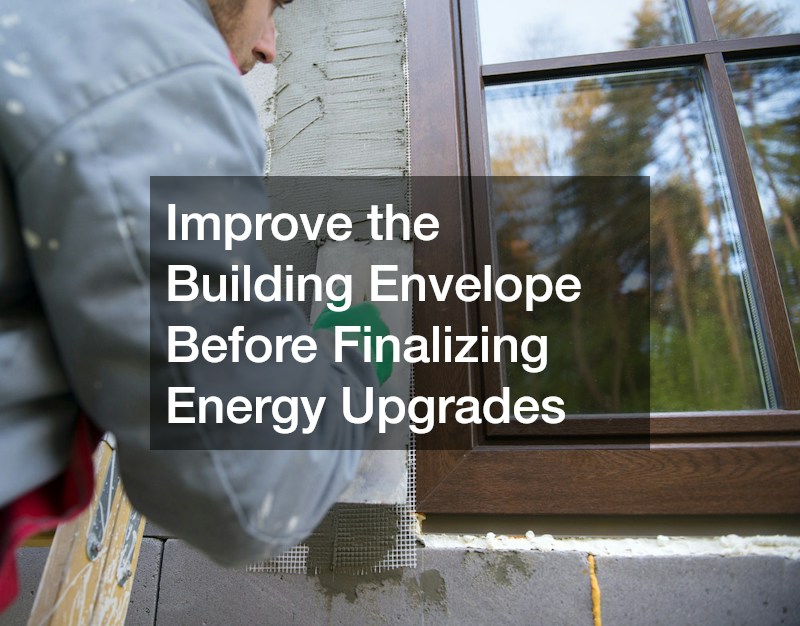
The building envelope separates indoor spaces from the outdoors. Walls, roofs, floors, windows, and doors all influence heat transfer and air leakage. Evaluating these components helps homeowners identify improvements that complement equipment upgrades.
A spray foam insulation service may be appropriate for certain gaps and building assemblies, depending on construction, moisture conditions, and ventilation requirements. However, spray foam is not suitable for every location, so obtain a professional assessment before selecting materials.
Begin by reviewing these areas:
- Accessible spaces: Look for visible gaps around framing and utility openings.
- Insulation coverage: Identify missing, damaged, or uneven insulation.
- Drafts: Record recurring cold spots near walls, ceilings, and floors.
- Moisture: Address leaks and existing moisture problems before enclosing affected areas.
- Ventilation: Confirm that air sealing will not interfere with necessary ventilation.
Ask contractors to explain where materials will be installed, how the work will be completed, and whether existing insulation needs removal.
Improving insulation and sealing gaps can reduce unwanted heat transfer, although results depend on the home’s condition and installation quality. Coordinate this work with window and equipment upgrades so that decisions reflect the home’s expected performance after renovation.
Planning home improvements around comfort and energy efficiency starts with understanding how your home performs. Evaluating existing equipment, identifying drafts, and reviewing insulation and electrical requirements help you prioritize improvements that address actual problems.
A coordinated plan also makes it easier to establish budgets, compare contractors, and avoid unnecessary duplication of work. Rather than upgrading individual components without considering the bigger picture, evaluate how each project affects the rest of the property.
Start with the issues that most affect everyday comfort, then schedule additional improvements according to your budget and priorities. Keep records of estimates, inspections, completed work, and maintenance requirements. With careful planning and appropriate professional guidance, you can improve indoor comfort, support efficient system performance, and manage future maintenance more effectively.