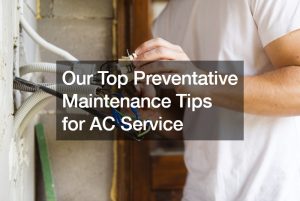
Introduction: Creating a Smart Plan for Long-Term Home Improvement
Owning a home comes with both rewards and responsibilities. While it offers stability, comfort, and long-term investment potential, it also requires consistent upkeep and thoughtful improvements to maintain its value and functionality. Many homeowners fall into the habit of addressing issues only when they become urgent, but this reactive approach often leads to higher costs, greater disruption, and missed opportunities to improve overall living conditions.
A smarter approach is to treat homeownership as an ongoing system of maintenance, upgrades, and strategic improvements. Every part of a home—structural components, mechanical systems, and interior finishes—works together. When one element begins to fail or become outdated, it can affect other areas in ways that are not immediately obvious. For example, poor ventilation can strain heating and cooling systems, while outdated plumbing can reduce efficiency and increase utility costs.
Planning ahead allows homeowners to stay in control. Instead of scrambling to fix unexpected issues, they can prioritize projects, budget effectively, and schedule improvements at the most convenient times. This approach also makes it easier to combine projects, reducing labor costs and minimizing disruption.
Seasonal changes add another layer of complexity. Weather conditions can accelerate wear on roofing, impact heating and cooling performance, and expose weaknesses in insulation or sealing. Homes that are not prepared for these changes are more likely to experience sudden failures or inefficiencies.
This guide is designed to help homeowners take a structured and informed approach to improving, maintaining, and upgrading their homes. By focusing on practical strategies, clear planning, and proactive care, it becomes possible to create a living space that is not only comfortable and efficient but also resilient and valuable over the long term.
Plan and Prepare for Major Interior Transformations
Major interior projects can dramatically improve both the functionality and appearance of a home, but they require careful planning to avoid costly mistakes. A kitchen remodel is often one of the most impactful upgrades a homeowner can undertake. It enhances daily usability, increases property value, and modernizes one of the most frequently used spaces in the home.
Before beginning any renovation, it’s important to evaluate whether a full transformation is necessary or if targeted updates will achieve the desired result. Factors such as layout inefficiencies, outdated materials, and insufficient storage often signal the need for a more comprehensive approach.
Preparation is a critical first step. Working with a demolition company ensures that existing structures are safely removed without damaging surrounding areas. Professional demolition reduces risk, speeds up the renovation timeline, and allows for a clean slate when installing new components.
Key planning steps include:
- Assessing the current layout for functionality and flow
- Identifying structural elements that may impact redesign
- Setting a realistic budget that includes contingencies
- Establishing a clear project timeline
Homeowners should also consider how the renovation will impact daily life. Temporary kitchen setups, dust control, and noise management are all important factors to plan for in advance.
Additional tips for success:
- Choose durable materials that balance aesthetics with longevity
- Coordinate contractors early to avoid scheduling delays
- Order materials in advance to prevent supply chain disruptions
- Maintain open communication with all professionals involved
With proper planning and professional support, large-scale interior projects can be completed efficiently while delivering long-term value and improved functionality.
Improve Interior Aesthetics with Professional Finishing Work

Interior finishes play a major role in defining the look and feel of a home. Fresh paint, in particular, has the power to transform spaces quickly and cost-effectively. However, achieving a high-quality finish requires more than simply applying a new coat of paint.
Hiring an interior painter ensures that surfaces are properly prepared and that the final result is smooth, even, and long-lasting. Preparation often includes cleaning, sanding, repairing imperfections, and applying primer—steps that are essential for durability.
A painting contractor can also provide valuable guidance on color selection, finish types, and application techniques. Different rooms require different approaches based on lighting, usage, and moisture levels.
Key considerations when updating interior finishes:
- Selecting colors that complement natural and artificial lighting
- Choosing finishes such as matte, satin, or gloss based on room function
- Ensuring proper surface preparation before painting begins
- Using high-quality materials for better longevity
Professional painting services are especially beneficial for larger projects or areas with complex surfaces, such as ceilings, trim, and textured walls.
Maintenance tips to preserve results:
- Clean walls periodically to prevent buildup of dirt and oils
- Address minor scuffs or chips promptly to avoid larger repairs
- Use touch-up paint for high-traffic areas
- Monitor humidity levels to prevent paint damage
Well-executed interior painting not only enhances visual appeal but also protects surfaces from wear and environmental factors.
Optimize Indoor Comfort with Cooling System Upgrades
Maintaining a comfortable indoor environment is essential for both quality of life and energy efficiency. Cooling systems play a major role in regulating temperature, especially during warmer months. Over time, however, these systems can lose efficiency, leading to higher energy costs and reduced performance.
Air conditioning systems should be evaluated regularly to ensure they are operating at optimal capacity. Common signs of inefficiency include uneven cooling, increased energy bills, and frequent cycling on and off.
Working with an HVAC company provides access to professional diagnostics, system upgrades, and proper installation. Choosing the right system size and efficiency rating is critical for long-term performance.
Important upgrade considerations:
- Selecting energy-efficient models with high SEER ratings
- Ensuring proper system sizing for the home’s square footage
- Upgrading insulation and sealing to support system performance
- Installing programmable or smart thermostats
Routine maintenance is equally important for extending system lifespan and maintaining efficiency.
Recommended maintenance practices:
- Replace air filters regularly
- Clean coils and vents to improve airflow
- Schedule annual professional inspections
- Check refrigerant levels and system components
By investing in efficient cooling systems and maintaining them properly, homeowners can improve comfort while reducing energy consumption.
Maintain Reliable Heating for Year-Round Comfort
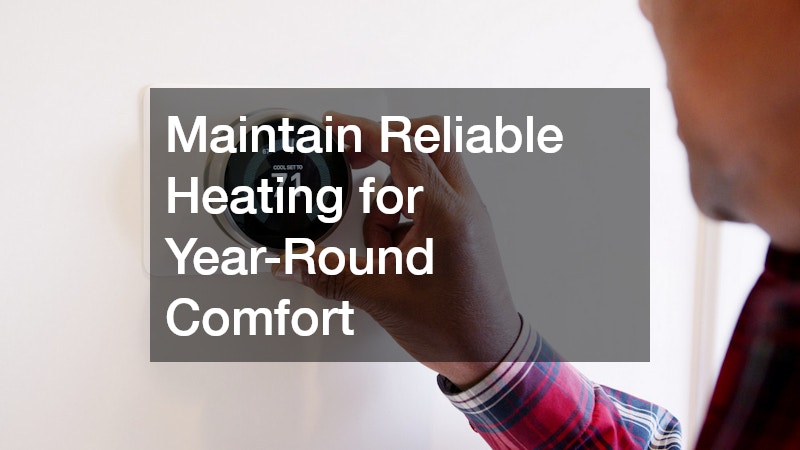
Heating systems are essential for maintaining comfort during colder months, and their reliability directly impacts both safety and efficiency. Over time, wear and tear can reduce performance, making regular maintenance and timely repairs critical.
Furnace repair becomes necessary when systems show signs of malfunction, such as inconsistent heating, unusual noises, or increased energy usage. Addressing these issues early prevents more serious failures and extends system lifespan.
For homes that rely on heating oil services, proper fuel management and system maintenance are key factors in ensuring consistent performance.
Warning signs of heating system issues:
- Uneven heating throughout the home
- Strange odors or sounds during operation
- Frequent system cycling
- Rising energy costs without increased usage
Preventative care includes:
- Scheduling annual inspections before winter
- Cleaning or replacing filters regularly
- Checking system components for wear or damage
- Ensuring proper ventilation and airflow
Safety considerations are especially important for fuel-based systems. Carbon monoxide detectors and proper ventilation are essential for protecting occupants.
Maintaining a reliable heating system ensures comfort, efficiency, and safety throughout the colder months.
Improve Water Quality and Plumbing Efficiency
Water quality has a significant impact on both household comfort and the longevity of plumbing systems. Hard water, which contains high levels of minerals such as calcium and magnesium, can cause buildup in pipes, reduce appliance efficiency, and leave residue on surfaces.
Water softener systems address these issues by removing excess minerals, improving water quality throughout the home. This not only enhances daily use but also extends the lifespan of appliances such as dishwashers and water heaters.
Signs of hard water include:
- White or chalky residue on fixtures
- Reduced water pressure due to mineral buildup
- Spots on dishes and glassware
- Dry skin and hair after bathing
Benefits of improved water quality:
- Increased efficiency of plumbing systems
- Reduced maintenance for appliances
- Improved cleaning results
- Enhanced comfort for daily use
Proper installation and maintenance are essential for ensuring consistent performance.
Maintenance tips include:
- Regularly replenishing salt levels
- Cleaning system components as recommended
- Monitoring system performance
- Scheduling periodic professional inspections
Investing in water quality improvements can lead to long-term savings and a more comfortable living environment.
Protect Your Home’s Structure from the Top Down

The roof is one of the most critical components of any home, providing protection against weather, temperature fluctuations, and environmental damage. Without proper maintenance, even minor issues can escalate into costly structural problems.
Roofing services help homeowners identify and address potential issues before they become severe. Regular inspections can detect damaged shingles, leaks, and structural weaknesses.
Key signs of roof problems:
- Missing or damaged shingles
- Water stains on ceilings or walls
- Sagging or uneven rooflines
- Increased energy costs due to poor insulation
Preventative maintenance steps:
- Schedule annual inspections
- Clean gutters and remove debris
- Repair minor damage promptly
- Ensure proper attic ventilation
Material selection also plays a role in long-term durability. Choosing materials suited to the local climate can improve performance and reduce maintenance needs.
A well-maintained roof protects the entire home, making it a top priority for homeowners.
Coordinate Home Maintenance for Maximum Efficiency
Managing a home effectively requires more than addressing issues as they arise. Coordinating maintenance tasks across multiple systems ensures that work is completed efficiently and cost-effectively. Without a structured plan, homeowners may find themselves scheduling separate appointments for related issues, increasing both time and expense.
Creating a seasonal maintenance schedule is one of the most effective ways to stay organized. This approach allows homeowners to group similar tasks together and address them at the most appropriate time of year.
Best practices include:
- Developing a checklist for each season (spring, summer, fall, winter)
- Scheduling inspections before extreme weather conditions
- Combining related services into single appointments
- Keeping detailed records of all maintenance and repairs
Additional strategies:
- Use digital tools or apps to track maintenance schedules
- Set reminders for routine tasks such as filter changes
- Review system performance regularly to identify trends
- Prioritize tasks based on urgency and impact
Coordination also improves communication with contractors. When multiple tasks are planned together, professionals can provide more accurate estimates and identify potential issues that may not be visible during isolated visits.
A structured maintenance plan not only saves time and money but also reduces stress by creating a predictable routine. Over time, this approach leads to fewer emergency repairs, longer system lifespans, and a more comfortable living environment.
Budgeting for Repairs, Renovations, and System Upgrades
Financial planning is a critical component of successful homeownership. Without a clear budget, even necessary repairs can become overwhelming. By taking a proactive approach to budgeting, homeowners can ensure that their properties remain in good condition without unexpected financial strain.
One effective strategy is to establish a dedicated home maintenance fund. This fund should be used for routine upkeep, unexpected repairs, and planned upgrades. Setting aside a small amount regularly can make a significant difference over time.
Smart budgeting strategies include:
- Allocating a percentage of income specifically for home maintenance
- Planning for both short-term repairs and long-term upgrades
- Comparing contractor estimates to ensure fair pricing
- Prioritizing essential repairs over cosmetic improvements
Additional financial tips:
- Track all expenses related to home maintenance
- Build an emergency fund for unexpected issues
- Schedule major upgrades during off-peak seasons for potential savings
- Consider financing options carefully for large projects
Planning upgrades in phases can also help manage costs more effectively. Instead of completing multiple large projects at once, homeowners can prioritize based on urgency and budget constraints.
A well-planned budget provides flexibility and confidence, allowing homeowners to address issues promptly and invest in improvements that enhance both comfort and value.
Increase Property Value Through Strategic Improvements

Improving a home’s value requires more than occasional upgrades—it involves consistent maintenance and thoughtful planning. Buyers are more likely to invest in properties that show evidence of care, functionality, and modern features.
High-impact improvements often focus on both structural integrity and visual appeal. Kitchens, bathrooms, and exterior features tend to have the greatest influence on resale value.
Key value drivers include:
- Updated and well-maintained systems
- Clean and modern interior finishes
- Functional layouts that maximize space
- Energy-efficient upgrades
Additional strategies for increasing value:
- Keep detailed records of all improvements and repairs
- Address minor issues before they become major problems
- Focus on neutral, widely appealing design choices
- Maintain landscaping and exterior appearance
Consistency is essential. Regular maintenance ensures that the home remains in good condition, while strategic upgrades enhance its appeal over time.
By balancing functionality with aesthetics, homeowners can create spaces that are both enjoyable to live in and attractive to future buyers.
Conclusion: Building a Comfortable, Efficient, and Well-Maintained Home
A well-maintained home is not the result of occasional effort—it is built through consistent care, thoughtful planning, and a proactive mindset. By approaching homeownership as an ongoing process rather than a series of isolated tasks, homeowners can create a living environment that is both reliable and enjoyable.
Each system within a home contributes to its overall performance. Structural components provide stability, mechanical systems ensure comfort, and interior finishes enhance livability. When these elements are maintained and upgraded in a coordinated way, the entire home benefits from improved efficiency and reduced long-term costs.
One of the most important lessons is the value of early action. Small issues rarely remain small. Addressing them promptly not only prevents larger problems but also preserves the integrity of the home. Regular inspections and preventative maintenance are key to avoiding unexpected disruptions.
Financial planning further supports long-term success. By budgeting for maintenance and improvements, homeowners can make informed decisions without unnecessary stress. This approach allows for steady progress rather than reactive spending.
Ultimately, a home should be a place of comfort, security, and long-term value. With a structured approach to maintenance and improvement, homeowners can ensure their property continues to meet their needs while remaining a strong investment for the future.