Ensuring the efficient operation of air conditioning (AC) systems is crucial, especially during peak summer months when cooling demands reach their highest levels. Regular cleaning and comprehensive maintenance conducted by professional AC installers significantly enhance overall cooling efficiency, lower monthly utility bills, and extend the functional lifespan of the equipment. By following structured cleaning processes, certified HVAC technicians keep sensitive electrical and mechanical components operating at peak efficiency while actively preventing unexpected operational breakdowns.
Understanding the detailed steps involved in professional servicing helps homeowners protect their substantial financial investment and guarantee consistent, year-round indoor climate comfort for their households.
Key Steps in Cleaning a Cooling System
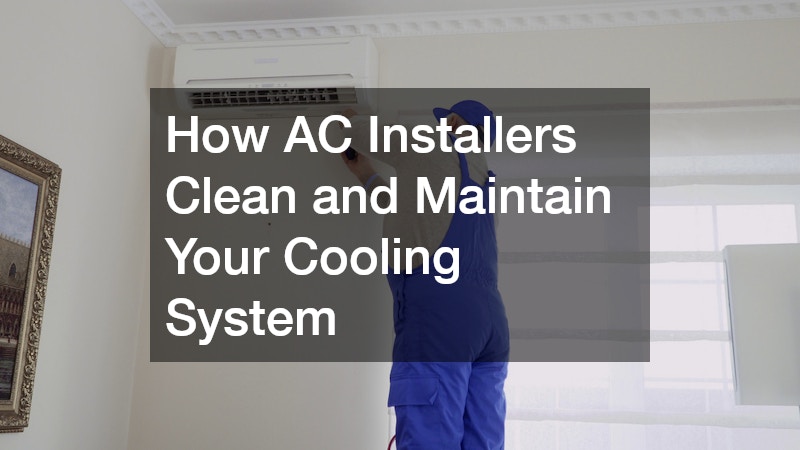
AC cleaning involves a series of meticulous, technical steps designed to ensure internal and external components function at maximum operational capacity:
- Vacuuming and Dust Removal: Installers use specialized high-efficiency particulate air (HEPA) vacuums and specialized brushes to thoroughly clean air ducts, blower fans, and internal cabinets, removing heavy accumulated dust and debris that restricts system airflow.
- Chemical Cleaning Solutions: Technicians apply industry-approved, non-acidic chemical cleaning solutions to break down stubborn dirt, grease, and fungal buildup on sensitive evaporator and condenser coils without eroding protective metal surfaces.
- Comprehensive Component Inspection: Professionals meticulously examine vital moving parts—including evaporator coils, aluminum condenser fins, electrical relays, and air filtration media—to detect early mechanical wear, rust, or physical damage before issues escalate into expensive repairs.
Maintenance Frequency and Seasonal Adjustments
The frequency of professional AC maintenance directly impacts ongoing system performance, energy consumption, and overall equipment reliability:
- Annual Tune-Ups: Comprehensive professional servicing should occur at least once per year, ideally during the early spring season, to ensure minor operational wear is addressed long before heavy summer cooling demands begin.
- Seasonal Optimizations: Summer adjustments focus heavily on high-demand usage, including checking system refrigerant charge levels, testing digital thermostat calibration settings, and thoroughly flushing primary and secondary condensate drain lines.
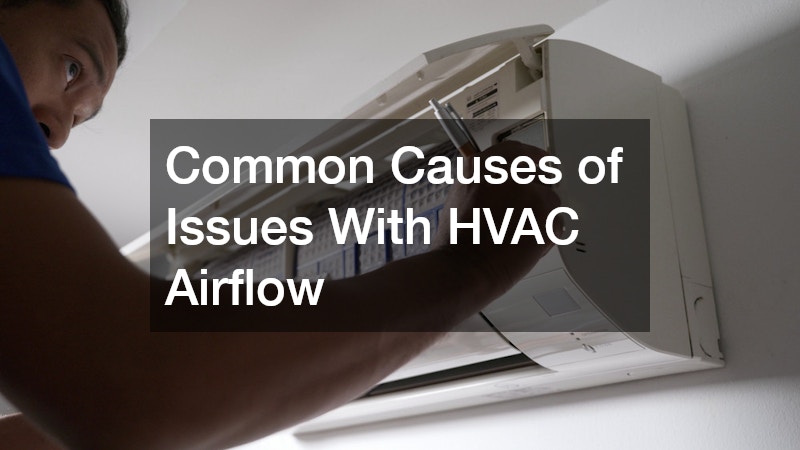
- Identifying Warning Signs: Immediate professional attention is required if cooling systems exhibit unusual grinding noises, weak airflow from supply vents, persistent foul odors, or frequent short-cycling. Prompt diagnostic troubleshooting prevents permanent compressor failure.
Benefits of Professional AC Maintenance
Investing in routine professional maintenance yields substantial financial, operational, and indoor environmental advantages for homeowners:
- Increased System Efficiency: Thorough coil cleaning and mechanical calibration allow the unit to cool living spaces rapidly while drawing significantly less electrical power, noticeably lowering monthly energy bills.
- Prolonged Equipment Lifespan: Regular servicing minimizes internal friction, electrical strain, and mechanical vibration, extending the functional life of the compressor and motor while delaying expensive total system replacements.
- Improved Air Quality and Comfort: Clean air filters and sanitized coils eliminate circulating dust mites, mold spores, pollen, and volatile organic compounds, fostering a far healthier indoor living environment.
Preventing System Failures Through Proactive Care
Routine cleaning serves as the primary line of defense against unexpected system breakdowns and emergency service calls:
- Early Issue Detection: Trained technicians quickly identify minor component fatigue, weak start capacitors, loose wiring, or subtle refrigerant leaks before they trigger complete system shutdowns during extreme heatwaves.
- Preventative Service Protocol: Standard annual tune-ups include tightening all electrical connections, lubricating motor bearings, testing safety limit switches, and treating drain pans to guarantee continuous, reliable cooling output.
- Long-Term Cost Reduction: Scheduled preventative care is vastly less expensive than emergency weekend service calls, major component overhauls, or premature system replacements, effectively safeguarding the homeowner’s long-term financial investment.
Specialized Tools and Safety Equipment Used by Technicians
Professional HVAC installers employ specialized industrial tools and strict safety protocols to execute thorough, accurate maintenance procedures safely:
- Specialized Cleaning Tools: Technicians utilize high-pressure self-rinsing coil sprayers, specialized fin-straightening combs, and industrial duct-cleaning vacuums to access and restore intricate internal system components safely.
- Precision Diagnostic Instruments: Installers rely on digital manifold pressure gauges, digital multimeters, psychrometers, and thermal imaging cameras to measure system operating pressures, electrical current draws, and exact temperature differentials.
- Safety Gear and Standards: Handling high-voltage electrical wiring and chemical cleaners requires protective equipment, including heavy-duty gloves, safety goggles, and respirators, ensuring full compliance with occupational safety standards.
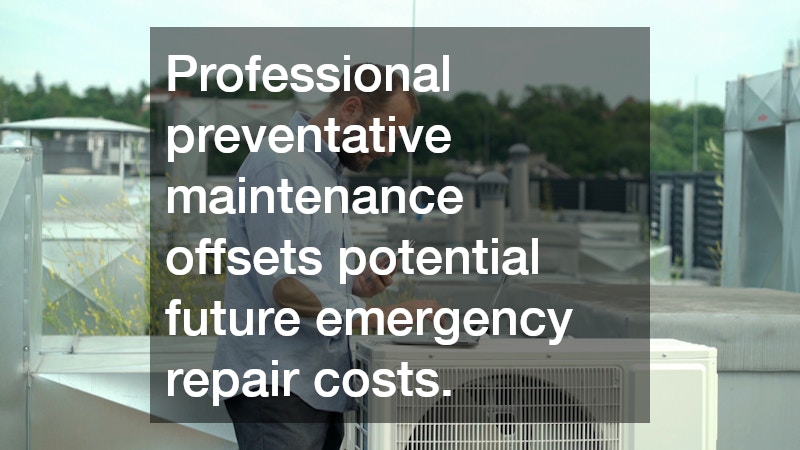
Entrusting air conditioner cleaning and maintenance to professional installers ensures your cooling system performs reliably throughout its intended operational lifespan. Through detailed chemical cleaning, routine component inspections, and advanced electronic diagnostics, homeowners gain enhanced energy efficiency, reduced utility expenses, and superior indoor air quality. Ultimately, investing in professional preventative maintenance offsets potential future emergency repair costs, delivering consistent household comfort, healthy air circulation, and complete peace of mind during the hottest months of the year.