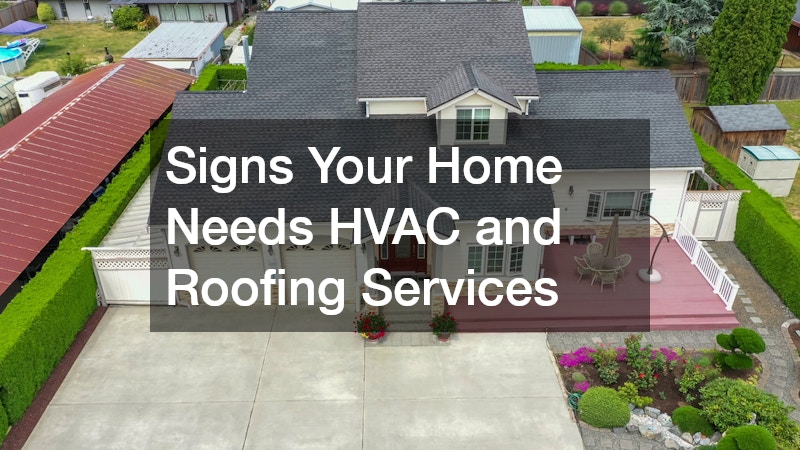
Every home relies on multiple systems working together to maintain comfort, efficiency, and protection from the elements. Heating and cooling equipment keeps indoor temperatures stable throughout the year, while the roof shields the home from rain, snow, heat, and wind. When everything is functioning properly, homeowners rarely think about these systems. But when problems begin to develop, small warning signs often appear long before a complete system failure happens.
Many homeowners overlook subtle clues such as uneven temperatures, strange noises, or rising energy bills. Over time, these minor concerns can grow into significant repairs that are far more expensive and disruptive. Recognizing these warning signs early allows homeowners to schedule inspections and maintenance before problems become emergencies.
This guide will walk through some of the most common indicators that your home may require professional attention. Understanding these signals can help you protect your home, improve efficiency, and avoid costly breakdowns.
Notice Indoor Temperature Changes That No Longer Feel Consistent
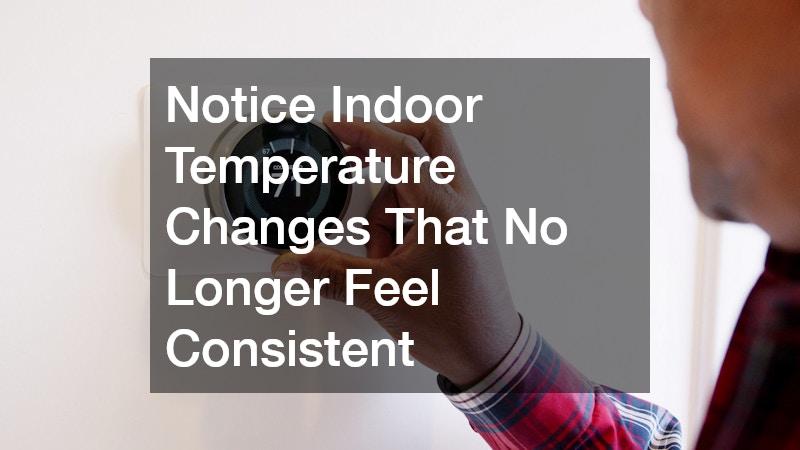
One of the first signs that something isn’t functioning properly in your home is inconsistent indoor temperatures. If certain rooms feel much warmer or cooler than others, it often indicates an underlying system problem rather than simple thermostat adjustments.
Temperature imbalance can occur for several reasons, including airflow restrictions, aging equipment, or poorly calibrated controls. When heating or cooling systems struggle to distribute air evenly, it creates uncomfortable hot and cold spots throughout the house.
Common symptoms include:
- Bedrooms that remain too warm while living areas feel comfortable
- Upstairs rooms that stay significantly hotter than lower floors
- Constant thermostat adjustments without noticeable improvement
- Rooms that never seem to reach the set temperature
These issues often signal that your system needs professional attention. Regular HVAC services can help identify airflow restrictions, thermostat issues, or failing components that cause uneven heating or cooling.
Routine hvac system service can also prevent small performance issues from escalating into major mechanical failures. During maintenance visits, technicians typically inspect airflow, clean internal components, and verify that the system is operating at peak efficiency.
Homeowners can also perform a few basic checks before calling a professional:
- Make sure air vents are not blocked by furniture
- Replace clogged air filters
- Check that all vents are open and unobstructed
- Ensure the thermostat is placed in a central location
If these simple adjustments do not improve comfort, it may be time for a full system evaluation.
Watch for Unusual Noises Coming From Heating and Cooling Equipment
Heating and cooling systems normally produce a consistent, low humming sound during operation. When unusual noises begin to appear, it often indicates mechanical wear, loose components, or potential failure in key system parts. Paying attention to these sounds early can save homeowners from costly repairs or sudden breakdowns.
Different sounds can signal different problems:
- Banging or clanking – This may indicate loose internal components, a failing motor, or debris trapped in moving parts. Ignoring these sounds can lead to further damage, including broken fan blades or motor burnout.
- Squealing or screeching – Often caused by worn belts or motor bearings, these noises suggest that essential components are under stress. Over time, continued use can lead to belt snapping or motor failure.
- Rattling – Loose panels, screws, or debris inside the unit can cause rattling. While some rattles may seem minor, persistent rattling often signals a misalignment or failing part that needs inspection.
- Grinding – This is a serious warning sign indicating internal damage to gears, bearings, or the compressor. Immediate attention is required to prevent catastrophic system failure.
During warmer months, these unusual noises are often associated with ac repair. Cooling systems work harder in high temperatures, which can accelerate wear on compressors, fans, and electrical components. Prolonged neglect can cause complete compressor failure, which is one of the most expensive repairs in air conditioning systems.
In colder seasons, similar noises often indicate the need for furnace repair. Burners, blowers, and ignition systems may deteriorate over time, and ignoring unusual sounds can result in inefficient heating, reduced airflow, or even safety hazards such as carbon monoxide leaks.
Homeowners can take a few precautionary steps before calling a professional, such as checking for loose panels, clearing debris around the unit, and making sure vents are unobstructed. However, persistent or new noises should always prompt a professional inspection. Early intervention by a qualified technician not only prevents minor issues from escalating but also prolongs the lifespan of the equipment and maintains home comfort throughout the year.
Look for Visible Damage or Leaks Around the Roof

Your roof plays a critical role in protecting the home from weather damage, acting as the first line of defense against rain, snow, wind, and sunlight. Even minor roofing issues can quickly lead to water intrusion, damaged insulation, and structural deterioration, making early detection crucial.
Some of the most common visible warning signs include:
- Missing or cracked shingles
- Sagging sections of the roofline
- Dark streaks or moss growth
- Water stains on ceilings or walls
- Damp insulation in the attic
- Debris accumulation in roof valleys or gutters
These problems often start small but can escalate rapidly. For example, a missing shingle may seem insignificant, but during heavy rain or snow, water can seep beneath the roof layer and damage the underlying structure. Over time, untreated leaks can lead to rotting wood, mold growth, and even compromise the home’s structural integrity.
Early roof repair can prevent leaks from affecting drywall, flooring, and electrical systems. Many homeowners make the mistake of waiting until noticeable interior water damage appears, but by that point, repairs can be extensive and expensive. Regular maintenance and inspections can catch problems while they are still manageable.
Professional roofing services offer comprehensive inspections, checking for damaged flashing, sealant deterioration, blocked drainage systems, and shingle wear. These specialists can identify subtle issues that may not be obvious to the untrained eye.
Homeowners can also perform preliminary checks from the ground using binoculars. Look for curling or missing shingles, uneven rooflines, and any signs of moss or algae growth. Inspect gutters and roof valleys for debris buildup, which can trap water and accelerate deterioration. If anything looks unusual, scheduling a professional inspection is the safest course of action. Routine attention to these warning signs ensures your roof remains sturdy, weather-resistant, and capable of protecting your home for years to come.
Rising Energy Bills That Don’t Match Your Usage
Unexpected increases in energy bills often indicate hidden efficiency problems. When heating or cooling equipment struggles to operate efficiently, it consumes more electricity or fuel to maintain the same indoor temperature.
If your utility bills have been steadily increasing without a major change in weather or usage habits, your home systems may be losing efficiency.
Several factors can contribute to rising energy costs:
- Aging heating or cooling equipment
- Poor insulation or air leakage
- Dirty filters or blocked airflow
- Inefficient system design
- Worn internal components
A qualified HVAC contractor can evaluate your system’s performance and identify inefficiencies. Professional diagnostics often include airflow testing, refrigerant checks, and energy efficiency assessments.
In some cases, older systems may need replacement rather than continued repairs. Upgrading to a modern unit through ac installation can significantly reduce energy consumption while improving indoor comfort.
Modern systems are designed with higher efficiency ratings and advanced controls that optimize performance. While replacement requires an upfront investment, many homeowners find that lower energy bills offset the cost over time.
Weak Airflow or Rooms That Never Reach the Right Temperature
Poor airflow is another common sign that your home systems require attention. When air circulation is restricted, heating and cooling systems must work harder to distribute conditioned air throughout the home.
Weak airflow often results from ventilation problems such as clogged filters, blocked ducts, or poorly designed air distribution systems.
Signs of airflow issues include:
- Air barely coming from vents
- Certain rooms feeling stuffy or stagnant
- Excess dust collecting around vents
- Long system run times without reaching target temperatures
Ventilation systems are responsible for distributing conditioned air evenly throughout the house. If they become damaged or outdated, airflow problems can quickly develop.
Professional duct installation can correct poor ventilation design and improve airflow efficiency. Properly designed ducts ensure that each room receives the correct amount of air for balanced temperatures.
Comprehensive HVAC services may also include duct inspections, sealing leaks, and cleaning debris buildup inside the ventilation system.
Improving airflow not only enhances comfort but also reduces energy consumption by allowing systems to operate more efficiently.
Water Leaks or Moisture Around Plumbing and Heating Systems
Moisture around mechanical equipment is always a sign that something needs attention. While small amounts of condensation can occur naturally, visible leaks or standing water should never be ignored.
Common warning signs include:
- Water pooling near equipment
- Rust forming on tanks or pipes
- Damp insulation or flooring
- Mold or mildew odors
- Dripping pipes or fittings
These issues often indicate the need for water heater repair. Water heaters can develop leaks due to corrosion, pressure buildup, or worn internal components.
If left unaddressed, water heater leaks can cause serious damage to surrounding structures. Floors, walls, and nearby equipment may all be affected by prolonged moisture exposure.
Regular hvac system service helps detect moisture issues early. During maintenance visits, technicians inspect drainage lines, condensate pumps, and nearby plumbing components to ensure everything operates safely.
Addressing leaks promptly helps protect both your mechanical equipment and your home’s structural integrity.
Strange Odors Coming From Vents or the Attic
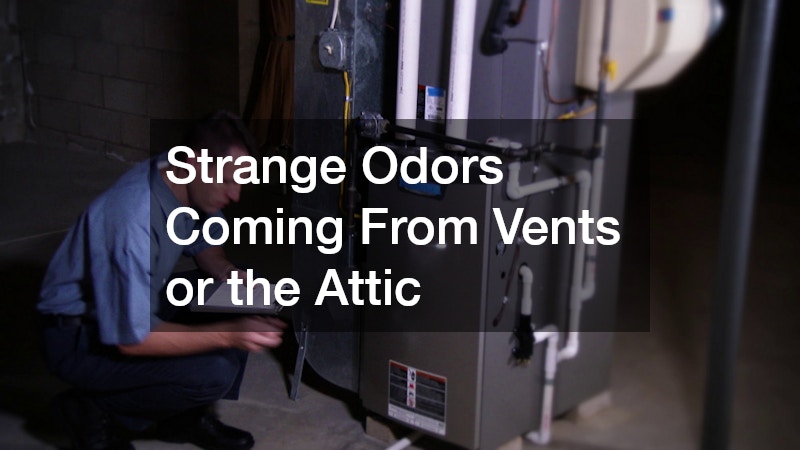
Unusual odors inside the home often indicate underlying problems that require investigation. Different smells can point to different types of system issues.
Common warning odors include:
- Burning smells – Overheating components or electrical issues
- Musty odors – Mold or mildew in ducts or insulation
- Chemical smells – Refrigerant leaks or insulation breakdown
- Rotten odors – Organic debris trapped in ventilation systems
Burning smells often indicate the need for furnace repair, especially when the heating system is first used during colder months. Dust accumulation can burn off when systems restart, but persistent burning odors should be inspected immediately.
Musty smells may originate from moisture problems in the attic. When ventilation is poor or roof damage allows water infiltration, mold can develop in insulation and structural materials.
Professional roofing services can identify ventilation issues, damaged flashing, or moisture entry points that allow mold growth to occur.
Addressing odor sources early protects both indoor air quality and overall home safety.
Frequent System Breakdowns or Repeated Repairs
When systems begin breaking down repeatedly, it usually means they are approaching the end of their functional lifespan. Occasional repairs are normal, but frequent service calls often indicate deeper reliability problems.
Signs that equipment may be failing include:
- Multiple repairs within the same year
- Increasing repair costs
- Reduced heating or cooling performance
- Longer run times
- Sudden shutdowns during operation
A qualified HVAC contractor can evaluate system condition and determine whether repairs remain practical or if replacement would be more cost-effective.
Older systems may also lack modern efficiency features, making them more expensive to operate. In many cases, upgrading through new ac installation can improve comfort while reducing long-term maintenance expenses.
System replacements also offer benefits such as improved airflow, quieter operation, and better temperature control.
Dust Buildup and Poor Indoor Air Quality
Indoor air quality plays a major role in comfort and health. When ventilation systems fail to circulate and filter air properly, dust and allergens accumulate throughout the home.
Common signs of poor air quality include:
- Excess dust on furniture and surfaces
- Allergy symptoms worsening indoors
- Stale or stuffy air
- Visible dust blowing from vents
These issues often originate within the ventilation system itself. Over time, ducts can collect debris, dust, and contaminants that circulate through the house whenever the system runs.
Modern duct installation can significantly improve airflow and filtration performance. Properly sealed ducts prevent dust infiltration while delivering consistent air distribution.
Professional HVAC services can also include duct cleaning, air filtration upgrades, and ventilation improvements that enhance overall air quality.
Improving indoor air quality not only supports better health but also helps heating and cooling equipment operate more efficiently.
Home systems rarely fail without warning. Small clues such as unusual sounds, rising energy bills, inconsistent temperatures, or moisture buildup often appear long before major breakdowns occur. Recognizing these signs allows homeowners to take proactive steps that protect comfort, efficiency, and structural integrity.
Regular inspections and preventative maintenance are key to keeping household systems functioning reliably. By addressing minor concerns early, homeowners can avoid costly repairs, extend equipment lifespan, and maintain a comfortable living environment throughout the year.